✴︎ This is an evolving collection of my work, a space where counseling, research, & visual exploration come together. ✴︎
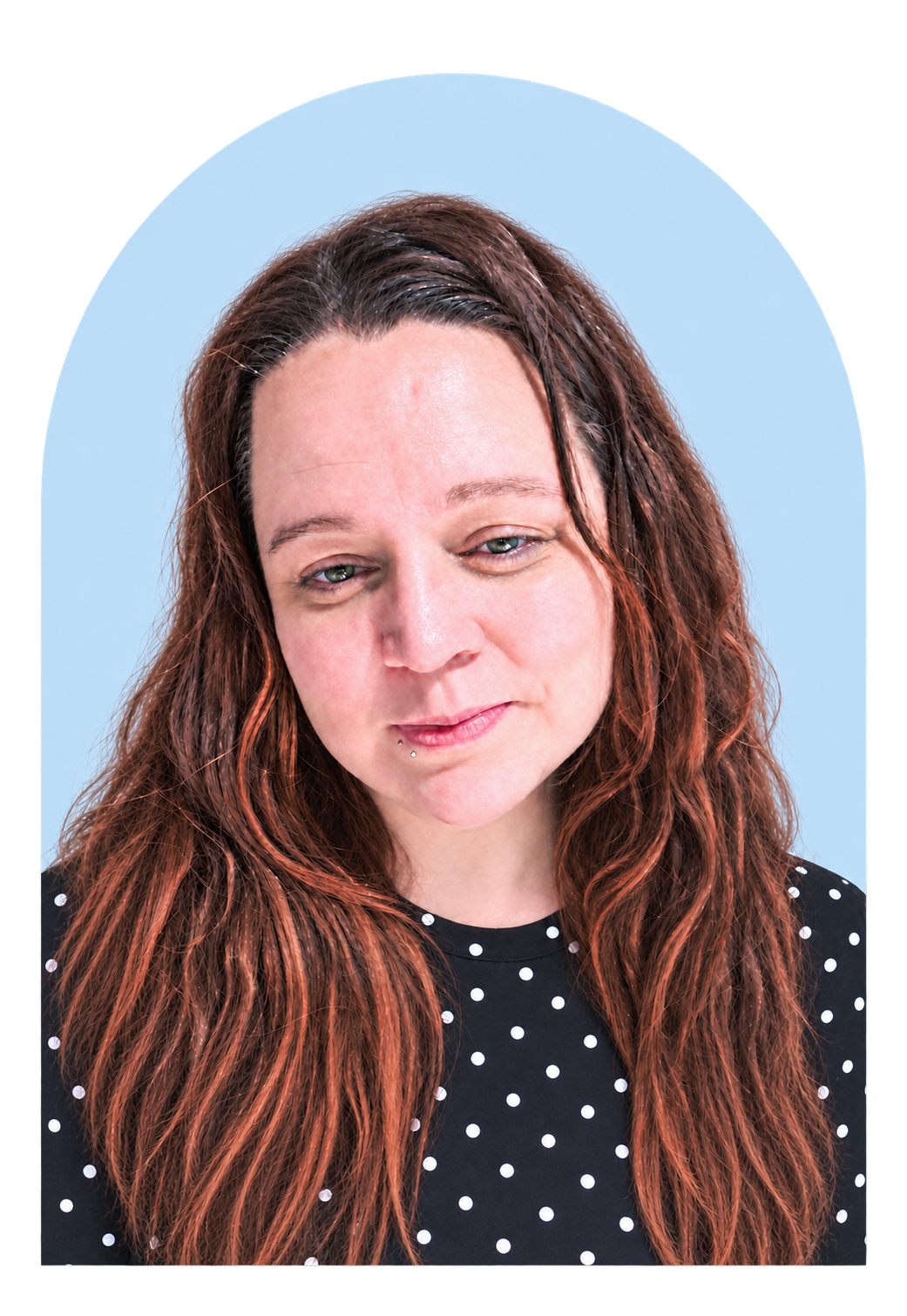
schedule a consultationYou may have spent years trying to quiet the parts of yourself that feel too much, too scattered, too sensitive, or too tired. Perhaps you are carrying old hurt, moving through grief, or beginning to understand your experience through the lens of neurodivergence.I’m Carrie Allyson Dyer, a psychotherapist and Licensed Clinical Mental Health Counselor Associate in North Carolina. I work with adults navigating trauma, ADHD, autism, grief, chronic illness, identity, and the lasting effects of difficult relationships. You do not need to arrive with everything sorted or understood. We can begin with that work together.

I approach therapy with curiosity considering your whole experience: your relationships, your body, your history, and the ways you have learned to move through the world.
Together, we can explore patterns that once helped you survive and notice where they may now leave you feeling stuck, disconnected, or overwhelmed. There is room for complexity, uncertainty, and the parts of your story that are difficult to put into words.
My work draws from EMDR, IFS-informed parts work, ACT, attachment, mindfulness, and somatic approaches. Depending on your needs, we may use conversation, body awareness, imagery, or creative reflection.
We will pay attention to pace. You can ask questions, tell me when something feels uncomfortable, and help shape the direction of our work.
I became a therapist because I know how it feels to long for a safe place to land and not find it for a very long time. Before entering counseling, I spent years as an artist, designer, and educator. Across those experiences, I have been drawn to the ways people find their own voice and make meaning from what they have lived. That background continues to shape my work. I pay attention to how ideas are communicated, how much information someone is being asked to hold, and how we can make space for different ways of thinking and expressing.
I hold a master’s degree in counseling from Wake Forest University, with a concentration in Clinical Mental Health Counseling, as well as an MFA in Visual Communication and a BFA in Graphic Design. My clinical training included outpatient mental health care and residential substance use treatment. I am licensed in North Carolina as an LCMHCA and practice under clinical supervision.
My clinical experiences include outpatient therapist, focus on trauma, ADHD, AuDHD, grief, identity, and integrative care. I am trained in EMDR, IFS-informed parts work EMDR integration, IADC, and I have interest in expressive arts approaches, mindfulness, and somatic modalities.
No. You can begin with a feeling, a question, a recent experience, or simply the sense that something has become difficult. I can help you find a starting point.
You can take time to share. We will talk about what feels manageable and what I need to understand to support you. You can let me know when you need a pause or are not ready to explore something.
Yes. I approach your experiences with curiosity about what you have lived through, how your nervous system responds, and what has helped you survive. I want to understand the context around your struggles, including relationships, culture, disability, and the expectations placed on you. Diagnoses can offer useful language and access to support, but they do not describe the whole of who you are. We can acknowledge pain and patterns you want to change while honoring your strengths, autonomy, and ways of being.
I work with adults navigating trauma, grief, ADHD, autism, chronic illness, relationship patterns, and questions of identity or belonging. Many of the people I work with are sensitive, creative, deeply thoughtful, or accustomed to masking parts of themselves to meet others’ expectations. I welcome LGBTQ+ clients, people exploring their neurodivergence, and those carrying the effects of emotionally immature or harmful relationships. You do not need a particular diagnosis or a neatly defined concern to begin.
Our first session is a chance to get acquainted. We will talk about what brings you to therapy, what feels difficult right now, and what you hope might become different. We will also review your forms, confidentiality, and the practical details of working together. You do not need to arrive with a polished explanation. There is room to ask questions, take pauses, and begin wherever you are.
We can slow down. You can take time to process, refer to notes, or let me know that a question feels difficult to answer. When helpful, we can use images, writing, or visual tools to give an experience some shape. You do not need to maintain eye contact or communicate in a particular way to be heard. We can talk about what makes sessions more accessible for you.
Yes. Understanding a pattern can be an important beginning, but insight does not always change how we feel or respond in a difficult moment. We can explore the emotions, body responses, protective parts, and relationship experiences connected to that pattern. Depending on your needs, our work may include processing past experiences, practicing different responses, or making changes in your everyday life.
No. We can talk about the available approaches, why one might be useful, and what it involves. Your preferences and comfort will help guide those decisions.
Yes. There is room for faith, spirituality, uncertainty, skepticism, and no spiritual belief at all. Your perspective will guide whether these subjects become part of our work. If spirituality matters to you, we can explore its relationship to meaning, grief, identity, or connection. We can also make room for religious harm, questioning, or complicated experiences within spiritual communities.
Yes. The loss of an animal companion can be deeply painful. These relationships may hold companionship, routine, safety, and a sense of being understood. There is room here for the depth of that bond, including grief, guilt, difficult end-of-life decisions, and the ways daily life changes after a loss. You do not need to minimize what the relationship meant to you.
You are welcome to reach out whether you have a diagnosis, are questioning, or are trying to understand experiences that have gone unnamed. We can discuss your needs and whether a separate assessment might be helpful.
Absolutely. Recognizing your neurodivergence later in life can bring relief, grief, questions, and a new understanding of experiences you have carried for years. We can explore masking, sensory needs, overwhelm, rejection sensitivity, and the effort involved in meeting expectations that may not account for how you function. Together, we can consider boundaries, accommodations, and ways of living that leave more room for your needs. You do not need a formal diagnosis to begin this conversation. Therapy and a formal diagnostic assessment serve different purposes, and we can discuss whether an assessment referral would be helpful.
When helpful, we can incorporate imagery, drawing, or visual resources. You do not need artistic experience, and using creative tools is always optional.
As a Licensed Clinical Mental Health Counselor Associate, I work with a clinical supervisor who supports my ongoing professional development and clinical care. My Professional Disclosure Statement explains this arrangement and how confidentiality applies to supervision.
Read about clinical supervision → →
Yes, please see documents you can review ahead of our session below.
Professional Disclosure Statement → →
Informed Consent Statement→ →
Notice of Privacy→ →
Consent for Telehealth Counseling → →
Practice Policies → →
Individual therapy offers time to focus on what needs your attention, whether that is a particular experience, a recurring pattern, or a sense that something needs to change. We can work toward goals that matter in your daily life: understanding your responses, navigating relationships, processing painful experiences, or feeling more connected to yourself.
Schedule a Consultation →
Request Intake Paperwork →
Explore Services →
Drawing on my background in visual communication and creative education, I develop visual tools and therapeutic resources for clients, counselors, and other helping professionals. These materials give complex experiences a visible form—something to point to, reflect on, and return to when words are difficult to find.
+